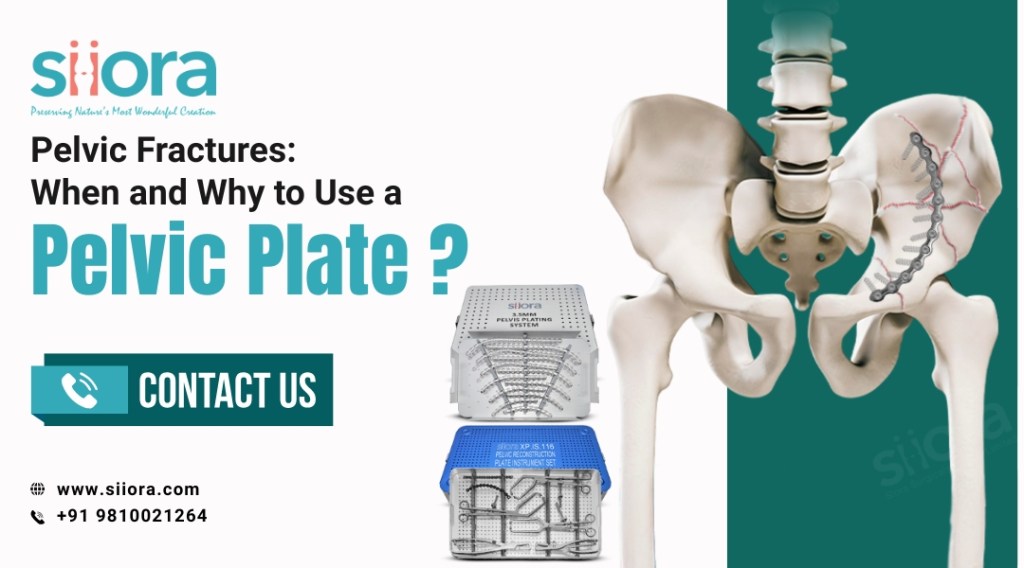
Pelvic fractures can be life-altering. They’re not just painful, they often come with a host of complications that make treatment a complex challenge. Whether it’s from a high-impact car accident, a bad fall, or a sports injury, a fractured pelvis demands serious attention. One of the key treatment decisions orthopedic surgeons face is whether to use a pelvic plate. But when is it necessary? And why does it make such a difference?
Let’s break it down in a way that makes sense, not just for medical professionals, but for anyone trying to understand what goes into treating a broken pelvis.
What Exactly Is a Pelvic Plate?
A pelvic plate is a rigid metal device, typically made from titanium or stainless steel, that’s surgically implanted to stabilize the broken bones of the pelvis. It acts like an internal scaffold, holding everything in the right place while the body does the hard work of healing.
Plates come in different shapes and sizes, and surgeons choose them based on the location and pattern of the fracture. They’re usually fixed to the bone using screws, providing stability that allows for better healing and, in many cases, faster recovery.
Not All Pelvic Fractures Are the Same
Before we dive into when to use a plate, it’s important to understand that pelvic fractures vary widely in severity. Some are stable—meaning the bones are cracked but still aligned and unlikely to shift. Others are unstable, involving multiple breaks or dislocations that affect the structural integrity of the pelvis.
Stable fractures can often be treated without surgery. Rest, pain management, and physical therapy are usually enough. But unstable fractures? That’s a different story.
When Is a Pelvic Plate Necessary?
Here’s when a surgeon might opt for a pelvic plate:
Unstable Fractures
If the pelvis is broken in more than one place or if the fracture disrupts the ring-like structure of the pelvis, it’s considered unstable. These cases typically require surgery—and a plate is one of the most effective tools for re-establishing stability.
Displaced Fractures
When the bones move out of place, they won’t heal correctly on their own. A plate can realign the fragments and lock them into position, ensuring that the pelvis regains its normal shape and function.
Open-Book Fractures
This is a type of injury where the pelvis is literally pulled apart at the front, usually due to massive trauma. It’s called “open-book” because the pelvis opens up like a book. Plates are often needed to close the gap and restore the internal support structure.
Associated Injuries
Sometimes pelvic fractures come with injuries to internal organs, blood vessels, or nerves. In these situations, stabilizing the pelvis quickly can be crucial to controlling bleeding or preventing further damage. Plates allow for a more controlled and precise reconstruction of the pelvis.
Why Use a Pelvic Plate?
Surgical plates have several key benefits:
- Precision: Surgeons can align the bones exactly how they should be.
- Stability: Plates create a solid foundation for healing.
- Functionality: Proper stabilization allows patients to begin rehabilitation sooner, reducing the risk of complications like blood clots or muscle loss.
Recovery and Realities
Recovery from pelvic surgery with plate fixation isn’t a walk in the park. It usually involves a few months of limited mobility, followed by physical therapy to regain strength and function. But compared to the risks of letting unstable fractures heal poorly—chronic pain, loss of mobility, or permanent disability—using a plate is often the safer bet.
Final Thoughts
Deciding to use a pelvic plate isn’t a one-size-fits-all call. It’s a decision made after careful imaging, assessment of the fracture type, and consideration of the patient’s overall condition. But when it’s the right choice, it can be the difference between a long-term disability and a full return to normal life.Get an international standard range of pelvic plating systems and other orthopedic implants from Siora Surgicals Pvt. Ltd., a leading orthopedic manufacturer in India. The company has a presence in over 50 countries and is also looking to be counted among the top orthopedic devices companies in Saudi Arabia by establishing a good distributor base.
 Siora Surgicals Pvt. Ltd.